Renewing an insurance policy using the same figures as last year may feel sensible. Unfortunately, the cost of rebuilding a property, replacing machinery or recovering from a serious loss does not stand still.
For UK SMEs, commercial property owners and residential landlords, an outdated sum insured can create a significant gap between the cover shown on the policy schedule and the money actually needed after a fire, flood or other major incident. This is underinsurance – and it often remains hidden until a claim is made.
Our latest Autumn 2026 Covernotes newsletter highlights why relying on historic figures is increasingly risky.
Covernotes is one of the ways Munro-Greenhalgh keeps clients informed, with practical guidance on insurance, legislation and changing business risks. In this article, we take a closer look at underinsurance and the checks that business and property owners should consider.
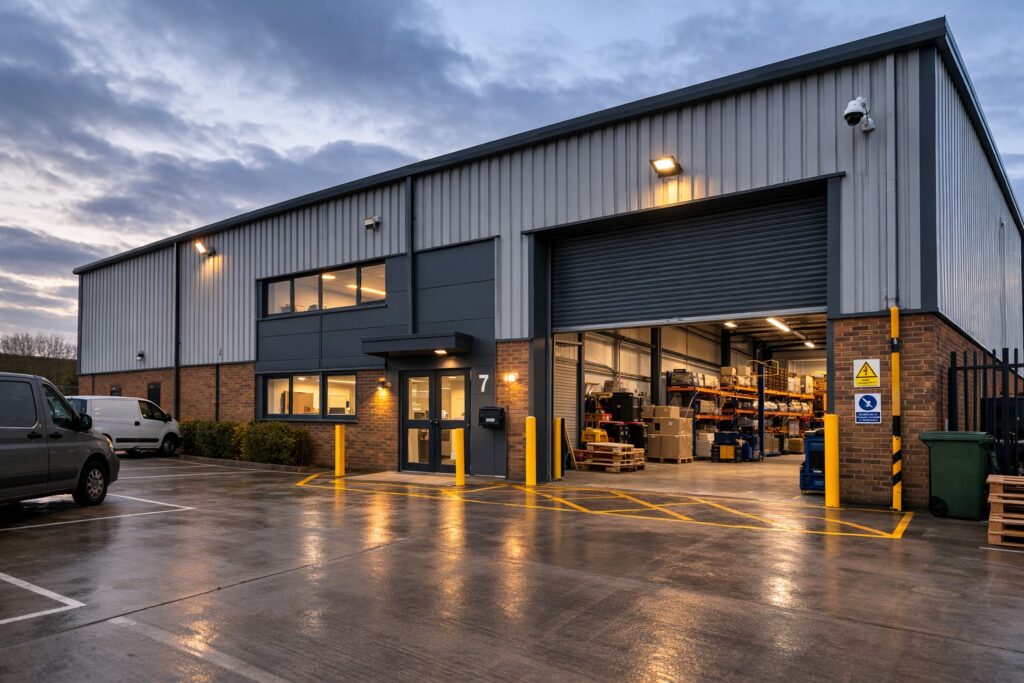
What is underinsurance?
Underinsurance occurs when the amount of cover selected is lower than the true value at risk or the realistic cost of recovery. It can affect far more than a building. Depending on the policy, underinsurance may involve: –
- buildings and tenants’ improvements
- plant, machinery, equipment and office contents
- stock, including seasonal or fluctuating stock
- landlords’ contents and communal-area contents
- rental income or alternative accommodation costs
- gross profit, revenue or gross rentals under business interruption cover and
- the indemnity period allowed for the business or property to recover.
Having an insurance policy is therefore not the same as having enough insurance. The figures must reflect what it would cost to put the business or property back in its pre-loss position, subject to the terms of the policy.
Why last year’s insurance figures may no longer be enough
Rebuilding and replacement costs can change considerably between renewals. Labour shortages, construction costs, supply-chain disruption and the price of imported equipment can all affect the eventual cost and duration of a claim.
A business may also have changed without recognising the insurance consequences. It may have purchased new machinery, increased stock levels, altered premises, added a mezzanine floor or grown its turnover. A landlord may have refurbished a property, converted its use, upgraded kitchens and bathrooms or incurred higher rental income.
Even where an insurer applies index-linking, it should not be assumed that this will correct a figure that was inaccurate at the outset or capture every change in the risk. Index-linking is useful protection, but it is not a substitute for reviewing the underlying values.
Rebuild cost is not the same as market value
This is one of the most common sources of confusion in buildings insurance. The market value is the price for which a property might be sold. The buildings sum insured is normally based on the cost of reinstating the property following serious damage. These figures can be massively different.
A realistic reinstatement calculation may need to include: –
- demolition, site clearance and debris removal;
- architects’, surveyors’ and engineers’ fees;
- labour and construction materials;
- compliance with current Building Regulations;
- access restrictions and specialist construction methods;
- listed-building or conservation requirements;
- VAT, where applicable; and
- other statutory or professional costs.
An unusual building, an older property, a listed property, a mixed commercial and residential development or premises with restricted access may be particularly difficult to value without specialist help. A professional reinstatement cost assessment can provide a much firmer basis than an historic estimate or market valuation.
How underinsurance can reduce a claim: the condition of average
Many property policies contain an average clause, sometimes described as a condition of average or proportionate settlement. If the insurer establishes that the full value at risk was higher than the declared value, it may reduce the claim in the same proportion.
For example, suppose machinery and contents worth £800,000 are insured for only £600,000. The business is insured for 75% of the correct amount. If an insured incident causes £200,000 of damage, application of average could reduce the settlement to £150,000, before taking account of the policy excess and any other terms.
Crucially, the loss does not necessarily have to exceed the sum insured for underinsurance to matter. A partial claim may still be reduced.
The precise response will depend on the policy wording and circumstances. Some policies may contain different bases of settlement, limits or underinsurance provisions, which is why the wording needs to be reviewed rather than assumed.
Underinsurance risks for UK SMEs
For an SME, buildings may be only one part of the exposure. A major claim can reveal shortfalls across several sections of a commercial insurance policy.
Machinery, equipment and contents
Plant and machinery will often need to be insured at its current replacement cost—not its depreciated book value or likely second-hand sale price. Freight, installation, commissioning and specialist professional costs may also need to be considered.
Businesses using bespoke, imported or older machinery should examine whether an equivalent replacement is readily available. A modern replacement may cost significantly more and require alterations to the premises.
Stock
The stock sum insured should reflect the maximum amount at risk, not simply an average figure taken from the accounts. Seasonal peaks, raw materials, work in progress, goods held for customers and stock stored away from the main premises may all require consideration.
Business interruption
Business interruption underinsurance is not just about choosing the right financial figure. The indemnity period—the maximum period for which the policy will respond—must also allow enough time for the business to recover.
After a serious fire, recovery may involve investigations, planning permission, demolition, rebuilding, obtaining machinery, installation, testing, recruitment and winning customers back. Twelve months can pass remarkably quickly. For many businesses, an indemnity period of 24 or 36 months may be more realistic, although the appropriate period will depend on the individual circumstances.
Underinsurance risks for commercial property owners
Commercial landlords should review both the physical asset and the income it produces. Points to consider include:
- whether the declared buildings value is supported by an up-to-date reinstatement assessment;
- alterations, extensions and improvements made by either the landlord or tenant;
- the cost of removing debris and complying with modern regulations;
- the length of time needed to rebuild and re-let the premises;
- whether the loss-of-rent sum reflects current rent, rent-free periods and expected increases; and
- whether the indemnity period allows for planning, construction and reletting delays.
Lease arrangements should also be checked carefully. Responsibility for insuring the building, tenants’ improvements, service-charge items and rent may not always sit where people assume it does.
Underinsurance risks for residential landlords
Residential property owners face many of the same rebuilding pressures as commercial landlords. A standard house, block of flats, house in multiple occupation or converted property can each present different valuation issues.
Landlords should consider the full rebuilding cost, landlords’ fixtures and contents, communal areas, outbuildings and loss of rental income. Where a property cannot be occupied following insured damage, alternative accommodation or loss-of-rent costs may continue for longer than expected.
Owners of listed buildings, non-standard construction, large portfolios or properties that have been extensively renovated should consider whether a specialist valuation is appropriate. Portfolio owners should also check that blanket or declared-value arrangements operate as intended across every location.
A practical underinsurance checklist
Do not wait for a claim to test whether your figures are right. At renewal and whenever the business or property changes ask yourself: –
- When was the building last professionally assessed for reinstatement cost?
- Have extensions, refurbishments, changes of use or tenants’ improvements been included?
- Are plant, machinery and contents insured for their realistic replacement cost, including delivery and installation?
- Does the stock figure reflect the maximum value held during the year?
- Have turnover, gross profit, payroll, rent and other financial declarations been updated?
- Would the business interruption or loss-of-rent indemnity period be long enough after a major loss?
- Are additional costs such as debris removal, professional fees, regulatory compliance and VAT properly allowed for?
- Is index-linking included, and was the starting figure accurate?
- Have acquisitions, new locations or changes in working practices been disclosed?
- Would an independent reinstatement cost assessment or specialist valuation be worthwhile?
How Munro-Greenhalgh can help
Munro-Greenhalgh is an independent insurance broker established in 1926. From our office in Ramsbottom, Bury, we advise SMEs, commercial property owners and residential landlords across Greater Manchester, Lancashire and throughout the UK.
We can help you examine the sums insured, financial declarations and indemnity periods shown in your existing insurance policies, explain how underinsurance could affect a claim and discuss when input from a qualified reinstatement-cost or valuation specialist may be appropriate. There are often easy and affordable solutions such as https://www.rebuildcostassessment.com/.
Our Covernotes newsletters form part of our continuing commitment to client advice. Each edition explains topical insurance and risk-management issues in straightforward language, helping clients understand developments that could affect their business, property or cover. You can read the Autumn 2026 edition of Covernotes for more information on underinsurance and other current topics.
If your insurance values have simply been carried forward from last year or you are uncertain when they were last properly reviewed do not hesitate to contact Munro-Greenhalgh on 01706 824 023. A conversation now may help prevent a serious shortfall when you most need your insurance to respond.
This article provides general information only. Insurance cover is subject to individual policy terms, conditions, limits and exclusions. Reinstatement costs and specialist assets may require assessment by a suitably qualified valuation professional.
Frequently asked questions about underinsurance
What does underinsurance mean?
Underinsurance means that the insurance cover or declared value is lower than the true value at risk or the realistic cost of recovery. It can affect buildings, contents, machinery, stock, rental income and business interruption cover.
Can an insurer reduce a claim because a property is underinsured?
Potentially, yes. If the policy contains an average clause or another underinsurance provision, the insurer may reduce a claim proportionately. The result depends on the wording and the circumstances of the loss.
Should a commercial property be insured for its market value?
Usually not. Buildings insurance is generally based on reinstatement cost rather than sale price. Reinstatement can include demolition, debris removal, professional fees, materials, labour and the cost of complying with current regulations.
Does index-linking prevent underinsurance?
Index-linking can help sums insured keep pace with general changes in costs, but it may not correct a starting figure that was wrong or account for alterations, new equipment and changes in the business. Regular reviews remain important.
How often should a rebuild cost be reviewed?
The sum insured should be considered at every renewal and after material changes to the property. Periodic professional reinstatement cost assessments may also be appropriate, particularly for commercial, listed, unusual or extensively altered buildings.
What is a business interruption indemnity period?
It is the maximum period during which a business interruption policy will pay for an insured loss, subject to its terms. It should reflect the realistic time needed to rebuild, replace equipment, restore operations and recover lost customers or rental income.