Business Insurance Types

A simple guide to the business insurance

Running a business involves risk. Premises can be damaged, equipment can break down, customers may make claims, employees can be injured and cyber incidents can bring normal operations to a halt.
The difficulty is that no two businesses face exactly the same risks.


At Munro-Greenhalgh, we help UK businesses identify the insurance covers that are relevant to their activities, premises, employees, contracts and future plans. We then approach suitable and reputable insurers to arrange protection based on the actual needs of the business – not simply the cheapest standard package.


We support sole traders, partnerships, limited companies and larger organisations throughout the UK, with an emphasis on helping SMEs across Bury, Bolton, Rochdale, Greater Manchester, Lancashire and the wider North West.


Call 01706 824023 to discuss your business insurance requirements.

What types of business insurance are available?

The following guide explains some of the principal insurance policies that can be arranged for UK businesses. Not every business will require every cover, and some protections may be combined within a single commercial package policy.


Property Damage Insurance

Property insurance protects the physical assets used by your business. Depending upon the policy, this can include: –


  • buildings 
  • tenant’s improvements 
  • machinery and plant 
  • office equipment 
  • computers 
  • stock and materials 
  • customer’s goods 
  • portable equipment
  • terrorism


Cover is usually arranged on an “All Risks” basis including fire, flood, storm, theft, escape of water, accidental damage and other insured events.


For premises which are unoccupied or undergoing major renovation Insurers may restrict the cover that applies. 


Portable equipment such as laptops, mobile phones, tools, surveying equipment and machinery may require cover while temporarily away from your premises.

Businesses should regularly review their declared values. Buildings should normally be insured for the full rebuilding cost—not their market value—and stock, machinery and contents should reflect realistic replacement costs.

Property insurance responds to pay for damaged buildings, stock or machinery. Business interruption insurance protects against a reduction in turnover, loss of gross profit and necessary additional expenses following insured property damage.


Cover can include: –


  • loss of gross profit or revenue 
  • additional costs of working 
  • temporary premises 
  • temporary equipment or machinery 
  • additional staff costs 
  • accountancy costs when preparing a claim 
  • disruption following damage at suppliers’ or customers’ premises 
  • denial of access to your premises 
  • failure of utilities 


One of the most important decisions is the indemnity period. This is the maximum period during which the policy can respond. Twelve months is often insufficient where rebuilding, replacing specialist machinery, obtaining planning permission or recovering lost customers could take considerably longer.

Employers’ liability insurance protects a business against claims from employees who are injured or become ill as a result of their work. Most UK employers are legally required to hold employers’ liability insurance. 

The definition of an employee can extend beyond permanent members of staff. Depending upon the circumstances, it may include: –

  • temporary employees 
  • apprentices 
  • work-experience students 
  • labour-only subcontractors 
  • volunteers 
  • people working under your direction and control 

Businesses should therefore tell their insurers/broker about everyone who works for them, even where that person is not treated as an employee for tax purposes.

Public liability insurance covers claims made by members of the public, customers or other third parties following accidental injury or damage to property arising from your business activities.


Examples can include: –


  • a visitor slipping at your premises 
  • accidental damage caused while working at a customer’s site 
  • injury caused by tools, equipment or materials 
  • damage arising during an event or exhibition 
  • interference with underground cables or services 


Public liability insurance is not generally compulsory, but it is frequently required by customers, landlords, local authorities, principal contractors and tender agreements.

Products liability insurance protects businesses against claims alleging that a product they manufactured, supplied, installed, repaired or imported caused injury or property damage.


This cover is relevant to: –


  • manufacturers 
  • wholesalers 
  • retailers 
  • importers 
  • online sellers 
  • repairers 
  • installers 
  • businesses placing their own name or brand on a product 


Businesses importing products from outside the UK may assume greater responsibility where recovery against an overseas manufacturer is difficult.

Professional indemnity insurance protects businesses against claims arising from negligent advice, designs, specifications or professional services. It is relevant to : –


  • consultants 
  • accountants 
  • architects 
  • engineers 
  • technology businesses 
  • recruitment companies 
  • designers 
  • surveyors 
  • marketing agencies 
  • contractors with design responsibility 


Professional indemnity policies are commonly written on a claims-made basis. This means the policy generally needs to be in force when the claim is made, rather than simply when the work was completed. Businesses should therefore take particular care before cancelling cover or reducing the retroactive date, even if they have stopped undertaking the work concerned.

Management liability insurance helps protect directors, officers, senior managers and, depending upon the policy, the company itself against claims alleging wrongful acts in the management of the business. 


Claims can involve allegations of: –


  • breach of duty 
  • breach of trust 
  • regulatory failures 
  • misleading statements 
  • health and safety failings 
  • wrongful trading 
  • employment-related disputes 
  • errors in company management 


Management liability is not solely for large companies. Directors of privately owned SMEs can face personal investigations, legal costs and allegations arising from decisions made in the ordinary running of the business.

Employment practices liability can protect the business and its management against claims involving: –


  • unfair dismissal 
  • discrimination 
  • harassment 
  • victimisation 
  • failure to promote 
  • breaches of employment procedures 


Cover is often included within a wider management liability policy.

Commercial legal expenses insurance can provide legal advice and help with specified disputes that are not otherwise insured under a liability policy.


Depending upon the wording, cover can include: –


  • employment disputes 
  • tax investigations 
  • contract disputes 
  • property disputes 
  • criminal prosecutions 
  • licence protection 
  • debt recovery 


Most policies include access to a legal advice helpline. Cover is subject to policy conditions and will usually require reasonable prospects of success.

Cyber insurance helps businesses respond to hacking, ransomware, data breaches, fraudulent electronic payments and other technology-related incidents.


A policy can provide access to specialist help including: –


  • forensic IT investigation 
  • incident-response support 
  • data restoration 
  • legal advice 
  • notification costs 
  • public-relations support 
  • cyber business interruption 
  • ransomware and extortion response 
  • defence of privacy claims 
  • assistance following fraudulent electronic transfers 


Cyber insurance is relevant to far more than technology companies. Any business that uses email, online banking, cloud systems, customer information or digitally controlled machinery has a cyber exposure.

Crime insurance protects against specified losses caused by dishonest acts such as theft of money, stock or property by employees.


Wider commercial crime policies may also address: –


  • social-engineering fraud 
  • impersonation fraud 
  • fraudulent instructions 
  • computer fraud 
  • funds-transfer fraud 


The precise cover varies considerably, so businesses should not assume that every type of fraud is automatically insured.

Trade credit insurance protects a business when customers fail to pay for goods or services because of insolvency or prolonged default.


It can help businesses: –


  • protect cash flow 
  • assess the financial strength of customers 
  • trade with new customers more confidently 
  • expand into new territories 
  • support borrowing or invoice-finance arrangements 
  • reduce the impact of a major bad debt 


Cover is usually based upon an agreed credit-management process, so insurers must be informed promptly when payment problems arise.

Standard products liability insurance usually responds to third-party injury or damage. It does not necessarily cover the cost of withdrawing a defective product where no injury or damage has yet occurred.


Product recall insurance can include: –


  • customer notification 
  • transport and collection costs 
  • testing 
  • storage 
  • disposal 
  • replacement 
  • crisis management 
  • loss of profit 
  • rehabilitation of the brand 


This can be particularly important for manufacturers, food businesses, wholesalers and companies supplying safety-critical components.

Environmental liability insurance can cover liabilities arising from pollution or environmental damage.


Depending upon the wording, protection can include: –


  • clean-up costs 
  • damage to land or water 
  • biodiversity damage 
  • gradual pollution 
  • legal defence costs 
  • costs imposed by environmental regulators 


Standard public liability policies may provide only limited protection and often focus on sudden and accidental pollution.

Goods in transit insurance covers stock, materials or customers’ goods while being transported.


Cover can be arranged for: –


  • goods carried in your own vehicles 
  • goods sent by hauliers or couriers 
  • postal sendings 
  • imports and exports 
  • temporary storage during transit 


Businesses should check whether the cover is based on replacement value or whether it is restricted by a carrier’s conditions of carriage.

Businesses carrying customers’ goods for hire or reward may require hauliers’ liability insurance rather than ordinary goods in transit cover.


The insurance is normally arranged around the operator’s contractual liability under relevant conditions of carriage, such as RHA or CMR conditions.


Warehouse keepers and freight forwarders may require additional protection for goods temporarily stored or handled in their custody.

In this digital world many transactions are now made by card or online banking. However, we are seeing many businesses reverting back to cash. Money insurance protects business money while: –


  • held at the premises 
  • being taken to or from a bank 
  • held in a safe 
  • carried by an employee 


Some policies also include a personal accident benefit following an assault connected with theft or attempted theft.

Employers have a strict legal duty of care to protect the health, safety, and welfare of their staff during work-related travel. Providing adequate business travel insurance is the most practical way for an employer to meet this legal obligation and cover overseas medical costs or emergencies.

Annual business travel insurance can protect directors and employees travelling for work. Cover can include: –


  • emergency medical expenses 
  • repatriation 
  • cancellation or curtailment 
  • baggage and business equipment 
  • personal liability 
  • travel disruption 
  • personal accident benefits 
  • finally, we can often include free cover for Directors Leisure Trips


Businesses should disclose the countries visited, frequency of travel, duration and any manual or hazardous work undertaken overseas.

Personal accident policies provide agreed financial benefits when an insured person cannot work because of an accident or illness.

Benefits can be structured as: –


  • weekly payments 
  • lump sums for permanent disability 
  • accidental death benefits 
  • medical expenses 
  • rehabilitation support 
  • optional sickness cover


Cover can help protect employees while also reducing the financial effect of absence upon the business.

Private medical insurance can provide employees with quicker access to eligible private diagnosis and treatment.

Business schemes may include: –


  • consultations 
  • diagnostic tests 
  • hospital treatment 
  • cancer cover 
  • mental-health support 
  • virtual GP services 
  • wellbeing services 


It can form part of an employee benefits package and may help a business manage sickness absence, although all cover remains subject to the insurer’s terms and medical underwriting.

Contract works insurance protects building works and materials during a construction project.

It may cover: –


  • permanent and temporary works 
  • materials at the contract site 
  • materials in transit 
  • materials stored off-site 
  • damage caused by fire, flood, storm, theft or accidental damage 


Responsibility for arranging the insurance should be checked against the building contract.

Contractors can arrange cover for: –


  • owned plant 
  • hired-in plant 
  • employee tools 
  • temporary site equipment 
  • plant in transit 
  • plant held at an off-site storage location 


Hired-in plant cover may also need to address continuing hire charges and the contractual terms imposed by the plant owner.

Engineering insurance can protect machinery, electrical equipment, pressure plant and lifting equipment against sudden and unforeseen damage or breakdown.

Engineering inspection services can also help businesses meet statutory inspection requirements applying to certain equipment.

Typical items include: –


  • lifts 
  • lifting accessories 
  • pressure vessels 
  • compressors 
  • boilers 
  • forklift trucks 
  • electrical installations 


Inspection and insurance are separate protections, and businesses may require one or both depending upon the equipment involved.

Although computers can often be included under a property policy, specialist computer insurance may provide broader protection for: –


  • accidental damage 
  • equipment away from the premises 
  • data reinstatement 
  • additional costs of working 
  • increased electricity charges 
  • newly acquired equipment 


Cyber insurance should still be considered because computer insurance does not usually provide the same incident-response, privacy or cybercrime protection.

Commercial motor insurance can cover individual cars, vans, HGVs and specialist vehicles used by a business.

Motor fleet insurance combines several vehicles under one policy and may include: –


  • company cars 
  • vans 
  • HGVs 
  • special-type vehicles 
  • carriage of own goods 
  • haulage 
  • courier use 


The policy must accurately reflect who drives the vehicles, how they are used, where they travel and what they carry.

Motor trade insurance is intended for businesses involved in selling, repairing, servicing, testing or handling vehicles.

A combined motor trade policy can include: –


  • road risks 
  • customers’ vehicles 
  • stock vehicles 
  • buildings and contents 
  • tools and machinery 
  • business interruption 
  • employers’ liability 
  • public liability 
  • service indemnity 
  • engineering inspection 


The correct basis of cover depends upon whether the business operates from premises, works away, trades from home or combines vehicle sales with repairs.

Which policies do I need?

This depends on: –

A policy that is appropriate for a consultant may be completely unsuitable for a manufacturer, contractor, wholesaler or motor trader.


That is why we begin by understanding the business before recommending the insurance.

Why choose Munro-Greenhalgh? — more than just a broker

Munro-Greenhalgh
Newsletter

Munro-Greenhalgh Covernotes

we also have a separate publication covernotes providing more in-depth and technical articles.

Latest Posts:
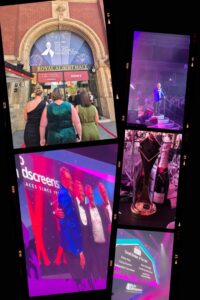
Munro Greenhalgh Insurance Brokers receiving the Small Broker of the Year Award at the British Insurance Awards 2026
Award-Winning Insurance Broker – Munro Greenhalgh Wins Small Broker of the Year at the British Insurance Awards 2026

Munro Greenhalgh is delighted to have been named Small Broker of the Year at the British Insurance Awards 2026. As an independent commercial insurance broker based in Ramsbottom, Bury, we advise businesses and individuals throughout Greater Manchester, Lancashire and across the UK. Winning this national award recognises our commitment to exceptional customer service, expert insurance advice and outstanding claims support. Whether arranging commercial insurance, liability insurance, professional indemnity, cyber insurance or high-value home insurance, our focus has always been on delivering long-term value rather than simply selling policies.

Read More
Munro Greenhalgh Insurance Brokers receiving the Small Broker of the Year Award at the British Insurance Awards 2026

Award-Winning Insurance Broker – Munro Greenhalgh Wins Small Broker of the Year at the British Insurance Awards 2026

Munro Greenhalgh is delighted to have been named Small Broker of the Year at the British Insurance Awards 2026. As an independent commercial insurance broker based in Ramsbottom, Bury, we advise businesses and individuals throughout Greater Manchester, Lancashire and across the UK. Winning this national award recognises our commitment to exceptional customer service, expert insurance advice and outstanding claims support. Whether arranging commercial insurance, liability insurance, professional indemnity, cyber insurance or high-value home insurance, our focus has always been on delivering long-term value rather than simply selling policies.

Read More »